Important Safety Information
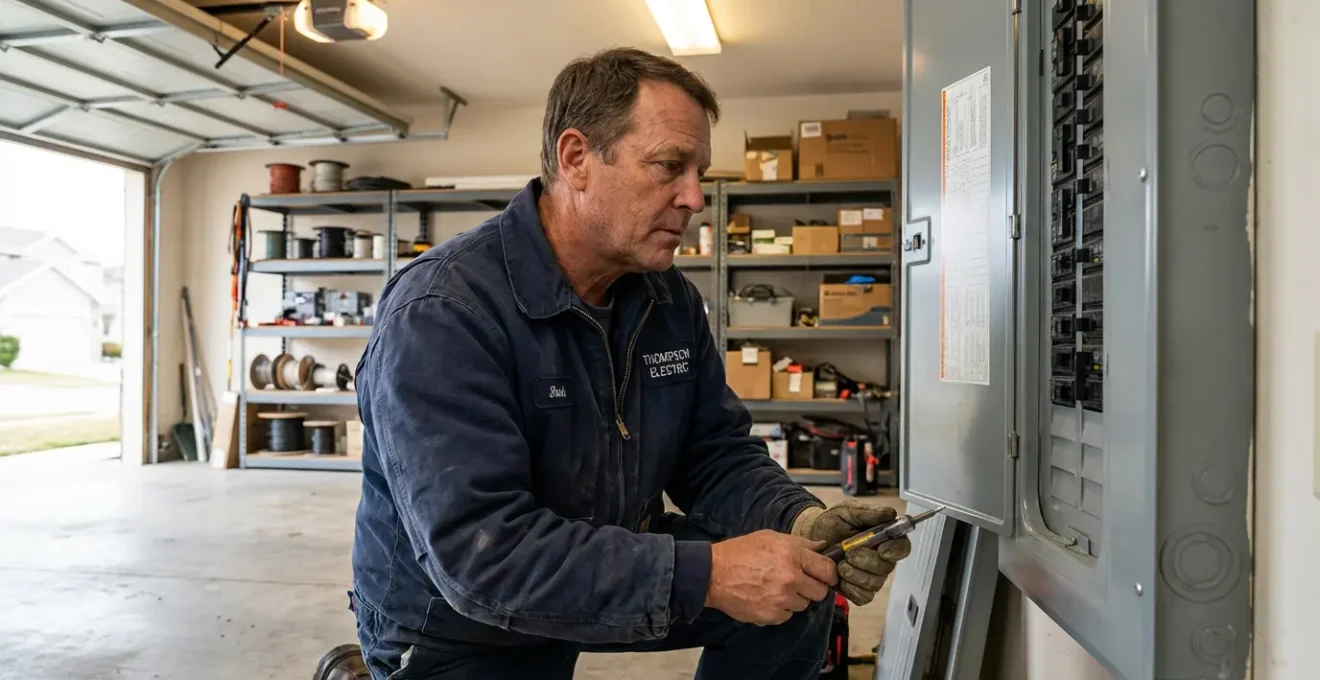
This content is provided for informational purposes. Follow applicable codes and standards, and consult a licensed electrician before any electrical work.
When Marcus called me last spring, I could hear the frustration in his voice. His insurance adjuster had just flagged the corroded electrical panel enclosure in his Minneapolis basement during a routine policy renewal. The original builder-grade box had been there since the 1970s—rusted edges, degraded seals, visible staining around the knockout holes. What should have been a simple paperwork review turned into a $1,200 upgrade requirement before his coverage would continue. The irony? A professional-grade enclosure installed originally would have cost roughly the same amount and lasted another twenty years.
The 60-Second Enclosure Safety Guide
- Professional-grade enclosures use thicker steel, better seals, and meet stricter testing standards
- NEMA 3R minimum required for any outdoor residential installation
- Lifecycle cost of professional-grade is often lower despite higher purchase price
- Rust staining, loose covers, and visible corrosion indicate urgent replacement need
The Real Cost of Cheap Electrical Enclosures
30,740
home fires annually caused by electrical distribution and lighting equipment
That number comes directly from NFPA electrical fire statistics covering 2016 through 2020. Roughly 40% of these incidents occurred during winter months when heating demands stress electrical systems. Cold weather is brutal on cheap enclosures. The temperature swings cause plastic housings to crack, metal boxes without proper coatings to sweat and corrode, and gaskets to deteriorate faster than manufacturers admit.
In my consulting work with Midwest homeowners—around sixty renovation projects annually since 2020—I consistently encounter the same costly mistake. People select consumer-grade plastic enclosures for outdoor or garage installations because the price tag looks attractive at the hardware store. Three to five years later, they’re calling me about replacement costs running $400 to $800. UV degradation turns those plastic boxes brittle. Moisture finds every gap.
Insurance Coverage at Risk: According to insurance claim denial patterns for electrical code issues, companies will outright deny claims stemming from wiring or equipment not compliant with current code. Non-code-compliant electrical installations may create serious coverage gaps when you need protection most.
Case Study: Minneapolis Basement Panel Upgrade
I accompanied Marcus through his upgrade process last year. At 47, he manages commercial properties professionally but had neglected his own 1970s colonial home. The existing panel sat in a corroded builder-grade enclosure with visible rust staining—exactly the kind of deterioration that triggers insurance concerns. His adjuster initially flagged it during policy renewal. After upgrading to a NEMA 3R rated enclosure, Marcus passed inspection and received an 8% premium reduction. The upgrade paid for itself within two years through insurance savings alone.
The real cost difference rarely shows up on the receipt. Professional-grade enclosures last 25 to 40 years. Budget matters. Consumer units typically fail within 10 to 15 years—sometimes faster in challenging environments. When you factor in replacement labor, potential water damage from failed seals, and insurance implications, that bargain enclosure becomes the most expensive choice you could make.
What Makes an Enclosure Professional-Grade
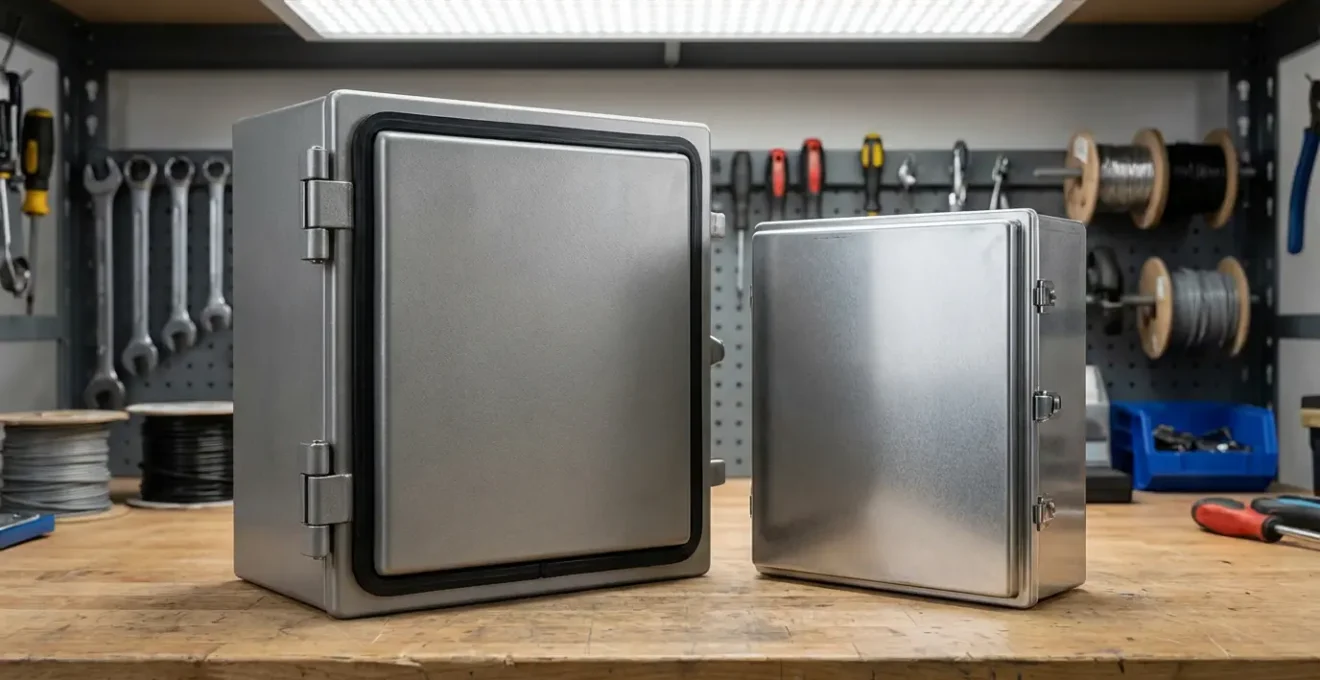
Think of enclosure grades like vehicle safety ratings. A compact car and a luxury sedan both get you from point A to point B, but the crash protection differs dramatically. The materials are different. The engineering tolerances are tighter. The testing standards are more demanding. Same principle applies to electrical enclosures—except the consequences of failure involve fire, shock hazards, and property damage rather than collision protection.
According to NEMA ratings comparison guidance, professional enclosures distinguish themselves through construction quality at every level. The steel gauge runs thicker—often 14 or 16 gauge compared to 18 or 20 gauge in consumer products. Powder coating gets applied uniformly with proper curing for corrosion resistance. Gasket materials use silicone or EPDM rather than basic rubber compounds that degrade within a few years.
| Feature | Consumer Grade | Professional Grade | Why It Matters |
|---|---|---|---|
| Steel Gauge | 18-20 gauge | 14-16 gauge | Resists dents, maintains structural integrity |
| Expected Lifespan | 10-15 years | 25-40 years | Avoids replacement cycles and labor costs |
| Gasket Material | Basic rubber | Silicone or EPDM | Maintains seal integrity through temperature swings |
| Coating | Paint or thin powder | Properly cured powder coating | Prevents rust even with scratches |
| Testing Standard | Minimal or none | UL Listed, NEMA rated | Verified protection levels, code compliance |
My strong recommendation: never install an enclosure without UL listing and appropriate NEMA rating for your environment. The certification process verifies the manufacturer’s claims through independent testing. Consumer enclosures often skip this verification entirely or test to minimal standards. When you need comprehensive protection for your electrical systems, understanding equipment for safe electrical installation extends well beyond the enclosure itself—but the enclosure remains your first line of defense.
Matching Enclosure Ratings to Your Home Needs
The NEMA rating system can seem overwhelming at first glance. Type 1 through Type 13, each with specific protection characteristics. Here’s the reality: residential applications typically require only three or four ratings. The rest apply to industrial and commercial environments you’ll likely never encounter. Let me break down what actually matters for your home.
Outdoor and Garage Installations
Any enclosure mounted outside or in an unheated garage needs NEMA 3R at minimum. No exceptions. This rating provides protection against falling rain and ice formation—critical for climates with freeze-thaw cycles. According to enclosure lifespan comparison data, choosing NEMA 3R instead of 4X outdoors near coastal areas leads to enclosure failure within 3 to 5 years due to salt spray corrosion.
Type 3R enclosures feature drain holes that allow accumulated moisture to escape while preventing direct water intrusion. For quality construction that meets these demanding requirements, manufacturers like keystonemetalcraft.com build enclosures with the heavier gauge steel and proper drainage design that residential outdoor applications require. The investment makes sense when you consider the alternative: replacing failed equipment and potentially addressing water damage to internal components.
Basement and Utility Room Applications
Basement installations present a tricky decision. Finished, climate-controlled basements with proper moisture barriers can use NEMA 1 indoor enclosures—the standard choice for dry interior locations. But most basements aren’t truly dry. Humidity fluctuates. Occasional seepage happens. Foundation cracks develop over years.
My advice for basement panels: default to NEMA 3R unless you’re certain the space stays consistently dry year-round. The price difference runs modest compared to potential moisture damage. I’ve seen too many basement panels with condensation dripping onto breakers. That’s a failure waiting to happen.
Bathroom and High-Humidity Areas
Bathrooms require careful consideration despite their indoor location. Any junction box or small enclosure in a bathroom should handle high humidity and occasional direct water contact. NEMA 4 or 4X ratings provide the protection level appropriate for these spaces. The 4X designation adds corrosion resistance through stainless steel or specially coated materials—worth considering for master baths with steam showers or homes near salt water.
Which Rating Does Your Installation Need?
- Indoor dry location (finished living space):
NEMA 1 acceptable—standard indoor protection sufficient.
- Garage or basement with potential moisture:
NEMA 3R recommended—provides rain and ice protection plus drainage.
- Outdoor exposed to weather:
NEMA 3R minimum required—non-negotiable for code compliance.
- Coastal or corrosive environment:
NEMA 4X required—stainless steel construction prevents salt damage.
One clarification worth making: you don’t always need the highest rating. A NEMA 4X enclosure installed in a dry Arizona garage represents unnecessary expense. Match the rating to actual environmental conditions rather than defaulting to maximum protection everywhere. Smart selection saves money.
Warning Signs Your Current Enclosures Are Failing
How long since you actually looked at your electrical panel enclosure? Most homeowners never inspect this equipment until something fails. I recommend a visual check annually—takes five minutes and could prevent serious problems. Here’s what to watch for.
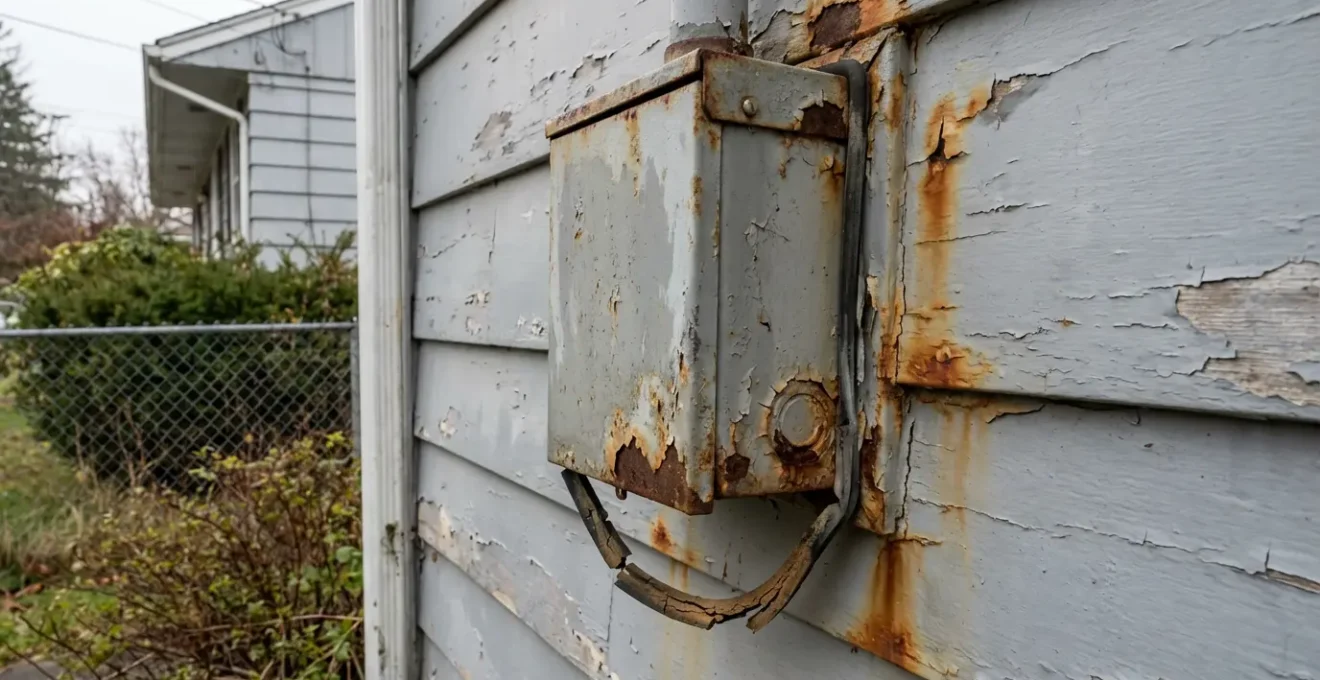
Signs That Demand Immediate Attention: If you notice any of the following conditions, contact a licensed electrician before using affected circuits. These indicators suggest compromised protection that creates genuine safety risks.
Visual Inspection Checklist for Enclosure Condition
- Rust staining around edges or knockouts
Visible rust indicates water intrusion past failed seals. Even surface rust suggests the protective coating has been compromised.
- Loose or warped cover panels
Covers should close firmly and sit flush. Gaps allow moisture, dust, and pests to reach internal components.
- Cracked or brittle plastic components
UV exposure degrades plastic enclosures rapidly. Brittleness means the material has lost structural integrity.
- Visible condensation or water staining inside
Internal moisture indicates complete seal failure. Electrical distribution equipment and water create immediate hazards.
- Burnt smell or discoloration around breakers
Heat damage suggests arc faults or overloaded circuits. This requires immediate professional evaluation.
Licensed electrician reviews every 10 years help maintain both safety and insurance eligibility. The inspection cost runs modest compared to claim denial when you need coverage. A code-compliant installation protects your family and your financial interests simultaneously.
Your Questions About Electrical Enclosure Safety
The most expensive enclosure isn’t always the best choice for your situation. I regularly talk homeowners down from NEMA 4X specifications when their installation sits in a protected, dry location. Matching protection level to actual environmental conditions saves money without sacrificing safety. Here are the questions I hear most often.
Your Enclosure Safety Questions Answered
Can I install a professional-grade enclosure myself?
Technically you could mount the box, but electrical connections require a licensed electrician in most jurisdictions. Permit requirements vary by municipality. DIY electrical work without permits may create liability issues and code violations that affect your insurance coverage.
How do I know what NEMA rating I need?
Environment determines rating. Indoor dry locations: NEMA 1. Outdoor or damp areas: NEMA 3R minimum. Coastal or corrosive environments: NEMA 4X. When uncertain, default to higher protection—the cost difference between ratings is typically modest compared to replacement expenses.
Is a NEMA 4X enclosure overkill for residential use?
Often yes. NEMA 4X excels in corrosive environments—coastal homes, pool equipment, areas with chemical exposure. For standard residential outdoor applications inland, NEMA 3R provides adequate protection at lower cost. Save 4X specifications for locations that genuinely need corrosion resistance.
How long should an electrical enclosure last?
Professional-grade electrical enclosures typically last 25 to 40 years when properly installed in appropriate environments. Consumer-grade units average 10 to 15 years. Harsh conditions—coastal exposure, extreme temperature swings, direct UV exposure—shorten lifespan for both grades.
Will upgrading my enclosure lower my insurance rates?
Potentially. Some insurers offer discounts for updated electrical systems that meet current code. More importantly, a proper enclosure helps ensure your claims won’t be denied for non-compliance. Contact your insurer directly to understand how electrical upgrades affect your specific policy.
Based on projects I have overseen, expect this timeline for enclosure upgrades: initial assessment to specification takes about a week, professional-grade units typically require 2 to 3 weeks for delivery, installation runs 1 to 2 days, and permit inspection adds another 1 to 2 weeks. Total project timeline: 30 to 45 days from start to approved installation.
The Next Step for Your Installation: Before making any purchasing decisions, take five minutes to visually inspect your current electrical enclosures using the checklist above. If you spot warning signs, schedule a licensed electrician evaluation. For new construction or renovation projects, specify appropriate NEMA ratings from the start—the modest upfront investment prevents expensive corrections later.
Ready to verify your complete electrical installation meets current requirements? Review the comprehensive safety standards for electrical installations to identify any additional considerations for your specific project.
Important Safety Considerations
- This guide provides general information and cannot replace assessment by a licensed electrician for your specific situation
- Electrical codes and requirements vary by jurisdiction—verify local requirements before purchasing or installing equipment
- Product specifications and ratings mentioned reflect general standards and may vary by manufacturer
Consult a licensed electrician or certified electrical inspector before beginning any electrical installation or modification project.